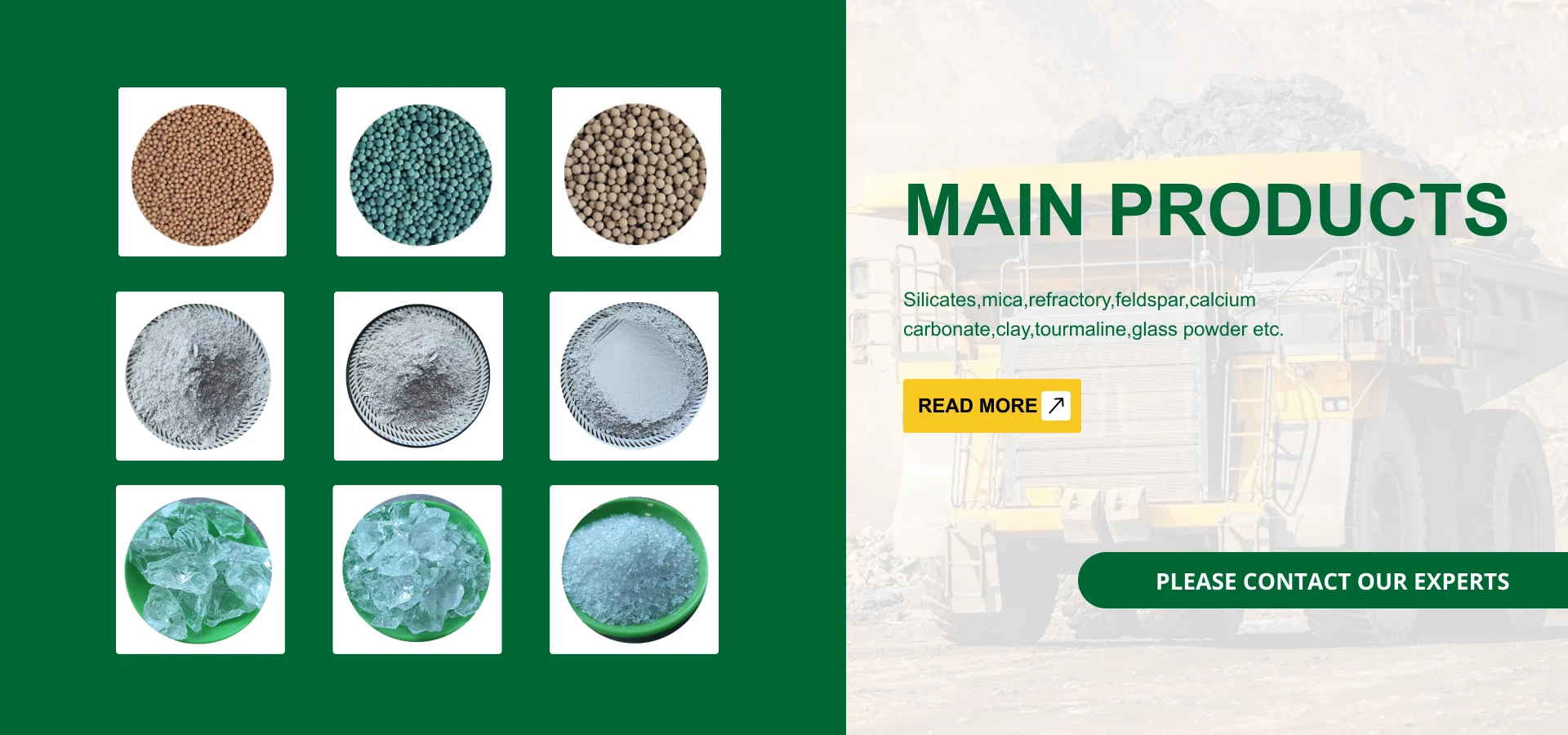
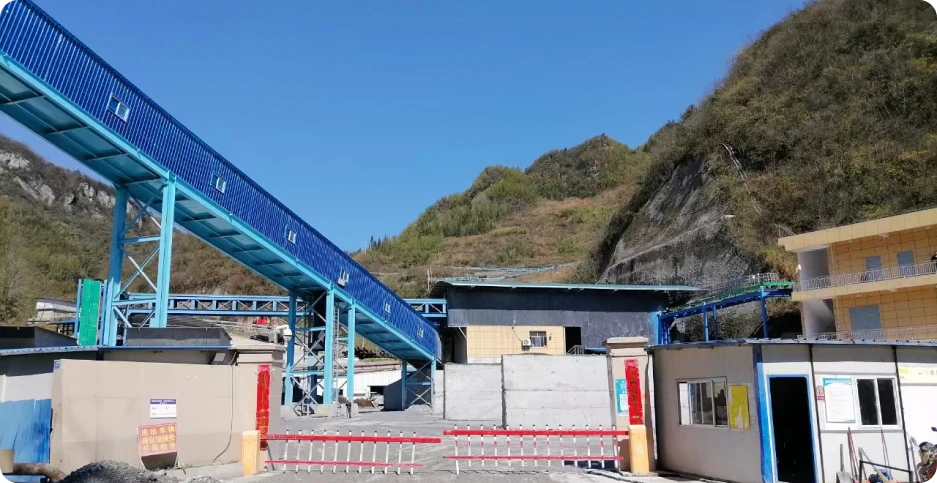
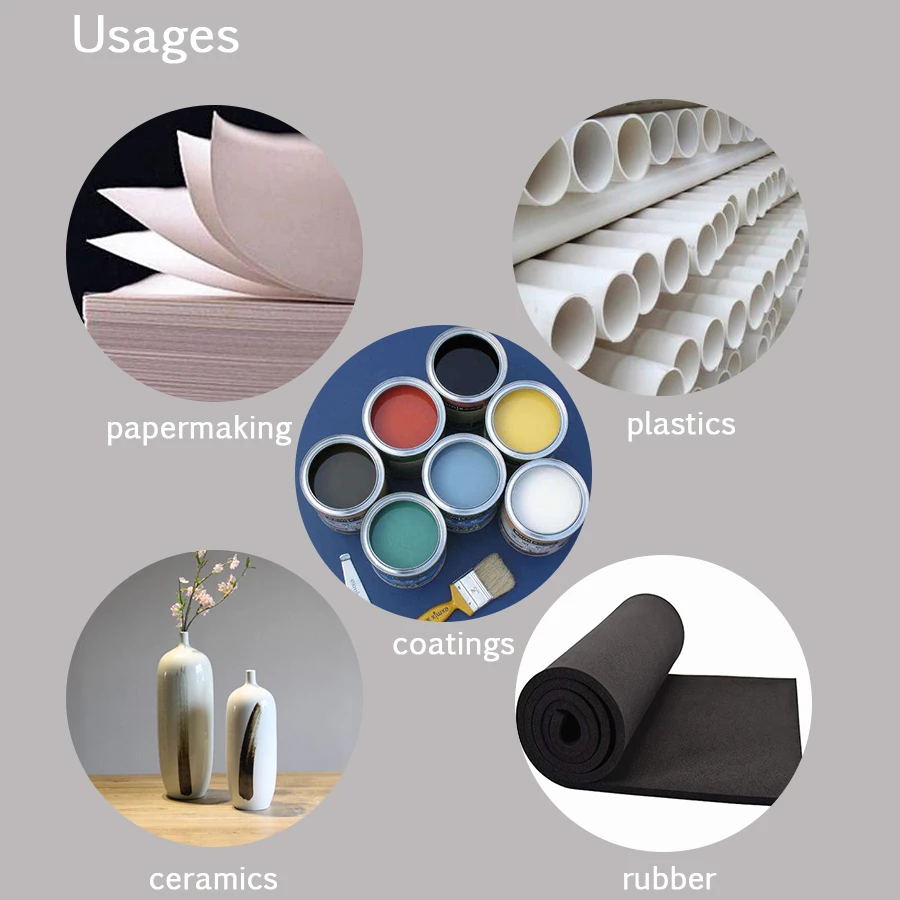
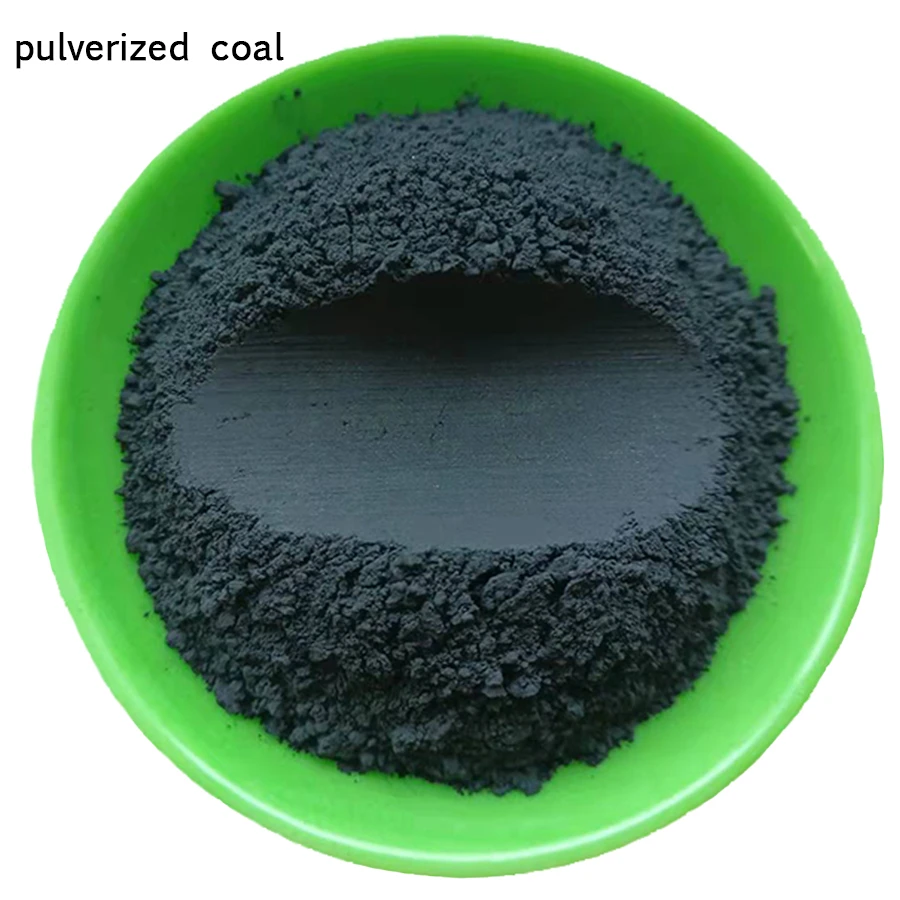
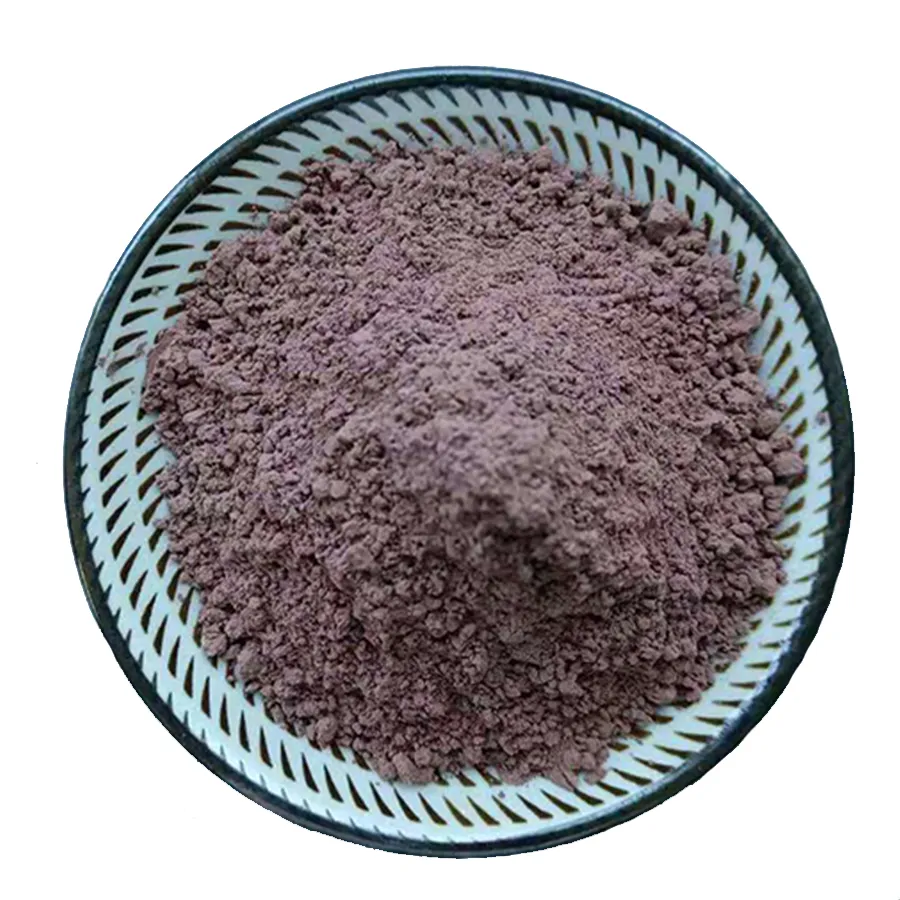
Nutritional Soil stands as a cutting-edge substrate solution, purpose-built for industrial and environmental applications requiring supreme fertility, extraordinary durability, and eco-efficiency. In today's era of sustainable development and green technology, the rise of engineered soils is evident, especially in landscaping, soil remediation, petrochemical, metallurgy, and water supply/drainage projects. This in-depth article explores industry trends, key technical parameters, performance advantages, supplier comparison, customization options, and real-world case studies. Industry Trends: The Evolution of Nutritional Soil Solutions Recent years have seen a dramatic shift toward sustainable substrates for infrastructure and green projects. According to the Grand View Research 2023 Soil Conditioners Report , the engineered soil market is expected to grow at a CAGR of 6.8% from 2022 to 2028, with Nutritional Soil applications in urban greening, land reclamation, and eco-remediation accounting for 45% of this growth. Rising adoption in petrochemical, metallurgy, and drainage industries for erosion resistance and longevity. Increasing demand for tailor-made soil blends tailored to specific physical and chemical requirements. Growing significance of standards compliance (ISO, ANSI, ASTM) in infrastructure and environmental projects. Technical Parameters & Product Specification Table Parameter Nutritional Soil Conventional Soil Premium Competitor Organic Content (%) 32–38% 10–15% 25–30% pH Range 6.2–7.2 5.0–8.0 5.8–7.5 Cation Exchange Capacity (CEC, cmol/kg) 32–45 18–27 27–39 Water Retention (%) 49–58% 28–35% 40–45% Bulk Density (g/cm³) 0.85–1.10 1.25–1.5 0.98–1.25 Anti-Corrosion Performance Enhanced (ISO 12944 certified) Basic Standard Expected Lifespan (Years) ≥20 5–10 10–15 Customization Range Wide (industrial, eco, custom blends) Limited Medium Visualization of Key Performance Data Technical Indicators Comparison Chart Component Distribution in Nutritional Soil Lifespan of Soils in Industrial Applications Manufacturing Process: Nutritional Soil Workflow Explained 1. Raw Material Selection: High-grade organic and mineral content (peat, humus, perlite, volcanic ash) are sourced in accordance with ISO 14235:1998 standards. → 2. Preliminary Crushing & Screening: Mechanical crushing and multi-stage screening ensure uniform particle size (0.8–2.5 mm) for subsequent mixing. → 3. Advanced Blending (CNC-Controlled): Ingredient ratios are optimized by computer-controlled batching; specialty bio-additives and nutrients are incorporated. → 4. Pelletization and Agglomeration: Depending on application, soil is granulated (pellet size 2.5–5mm) for improved aeration, water retention, and anti-erosion. → 5. Heat Treatment & Sterilization: The product is sterilized at 85–90°C to eliminate pathogens, delivered according to ANSI/ASABE S486.1 protocols. → 6. Quality Inspection: Comprehensive testing (ISO 17025-accredited labs) for nutrient consistency, CEC, pH, and heavy metal content is performed—see video guidance here . → 7. Packaging & Customization: Bagging uses moisture-barrier materials; custom blends (granular/fine/compost-mix) are available on demand. Materials, Processes & Industry Certifications Material Composition: 35% organic matter, 45% mineral additives, 8% bioactives (Bacillus subtilis, Trichoderma spp.), 10% water, <3% trace elements. Manufacturing Process: Combination of physical (grinding, pelletizing), chemical (addition of chelated microelements), and biological (inoculation with beneficial microbes) steps ensure optimum plant and industrial performance. Testing & Certification: ISO 14235-1998 for organic matter testing. ANSI/ASABE S486.1 for packaging/sterilization. ISO 17025-accredited test labs for full batch certifications. Compliance with EPA soil testing guidelines . Corrosion Resistance & Longevity: Special mineral and silicon additives create a microscopic barrier, inhibiting salt/chemical intrusion—critical in petrochemical and municipal pipeline environments. Application Scenarios & Technical Advantages Case 1: Petrochemical Site Remediation Challenge: Heavy metal contamination, chemical corrosion, and harsh climate jeopardizing long-term substrate integrity in a Middle Eastern refinery buffer zone. Solution: Nutritional Soil with custom anti-corrosion blend was installed across 12,000 m². Result: Soil maintained >96% structural integrity (as per ISO 12944) after 5 years, with native plant growth rates increased by 210%. Case 2: Urban Green Roofs – New York City Requirement: High load-bearing, lightweight, nutrient-rich substrate for high-rise buildings. Advantage: Bulk density of 1.0 g/cm³ and excellent water retention (53%) minimized roof stress/load. Feedback: Client reports 27% reduction in irrigation frequency and a 7-year extension of substrate replacement cycle. Case 3: Municipal Water Supply Infrastructure Need: Anti-corrosive bedding and backfill to prolong pipe system lifespan. Performance: Nutritional Soil meets/exceeds ASTM D2487 classification for controlled gradation and electrochemical stability. Certification: Results independently verified by SGS and local utility inspectorate. Supplier Comparison Criteria Nutritional Soil (Baifeng Mining) Competitor A Competitor B Batch Certification ISO 14235, ANSI/ASABE S486 certified; traceable QR codes Basic test report Offered on request Customization Very high (granule, compost, anti-corrosive, organic blends) Limited (standard blends only) Medium Industry Use Case Experience 20+ years; 200+ major projects 8+ years; 40 projects 15+ years; selective Delivery Cycle (Tons ≤50) 7–12 days 15–21 days 12–20 days Warranty/Support 5 years full warranty/24h technical support 1 year limited support 3 years custom service Customization Solutions We deliver tailored Nutritional Soil solutions based on detailed customer scenarios and specifications. Projects can be customized for: Physical Traits: Granularity (0.8–5mm), density, color, moisture content, anti-erosion properties Chemical Properties: pH adjustment (5.5–8.2), micronutrients, heavy metal filter capacity Bespoke Additives: Bacillus, Trichoderma, mycorrhizal inoculants, slow-release nutrients, anti-root rot Packing: Environmentally sealed bags, palletized super sacks (500kg), bulk delivery Customer Experience & Industry Endorsements International Recognition: Over 50% of Nutritional Soil is exported to North America, the Middle East, and SE Asia for public green projects, oil & gas remediation, and civil engineering. Clients: Includes Fortune 500 infrastructure contractors, segment-leading EPC firms, and city governments. Certifications: ISO 9001 (QMS), ISO 14001 (environmental), ANSI, SGS batch certification. Service Life Feedback: Verified extended use from client site data (integrity >95% at year 15, minimal compaction). Professional Support: 24/7 online and on-site support; full documentation with each shipment. FAQ – Professional FAQ for Nutritional Soil 1. What is the base material used in Nutritional Soil ? High-grade organic matter (peat, compost) forms the core, combined with volcanic ash, perlite, clay, and specialty mineral mixes to optimize nutrient retention and structure. 2. What are the available granularity specifications? Standard granule sizes range from 0.8–2.5mm (fine), 2.5–5mm (medium), with custom sizes available. Uniformity index: >0.78 (per ISO 3310-2). 3. Which industrial standards does Nutritional Soil comply with? Products meet/exceed ISO 14235 (organic testing), ANSI/ASABE S486.1 (sterilization, packaging), and ASTM D2487 (soil classification) requirements. 4. What is the typical lifespan and maintenance requirement? Expected functional lifespan is 20–25 years with minimal maintenance. Annual inspection and minor top-up (3–5% of volume) are recommended for high-impact industrial areas. 5. Are delivery and customization cycles rapid? Standard orders below 50 tons: 7–12 days lead time. Custom-engineered blends for special projects: 10–18 days depending on complexity and quantity. 6. How are warranties and technical support provided? Full 5-year performance guarantee; 24/7 expert technical and onsite support available. Warranty terms conform to ISO 9001 and customer project specifications. 7. How is quality assured? Each batch is independently tested by ISO 17025 certified labs for major/minor nutrients, pH, trace metals, and pathogens; full documentation is supplied with shipment. Delivery Cycle, Warranty, and Customer Support Commitment Delivery Cycle: Standard: 7–12 days (≤50 tons); 10–18 days for customized products. Warranty: 5 years full coverage on product integrity, performance, and specification match. After Sales Support: 24/7 multi-lingual hotline, onsite engineer visits, digital resource center for installation and troubleshooting, ISO 9001-based customer records management. Order Tracking: QR code tracking for batch origin, test certificate download, and dynamic logistics updates. References & Further Reading “Engineered Soils for Green Infrastructure: Technical Standards and Field Performance”, ASCE Journal of Geotechnical and Geoenvironmental Engineering “Application of Nutritional Soils in Industrial Remediation Projects”, ScienceDirect – Industrial Environmental Management “Standardized Methods for Soil Amendment Certification”, ISO Technical Committee on Soil Quality “Best Practices in Soil Blends for Urban Green Spaces”, LawnSite Industry Forum